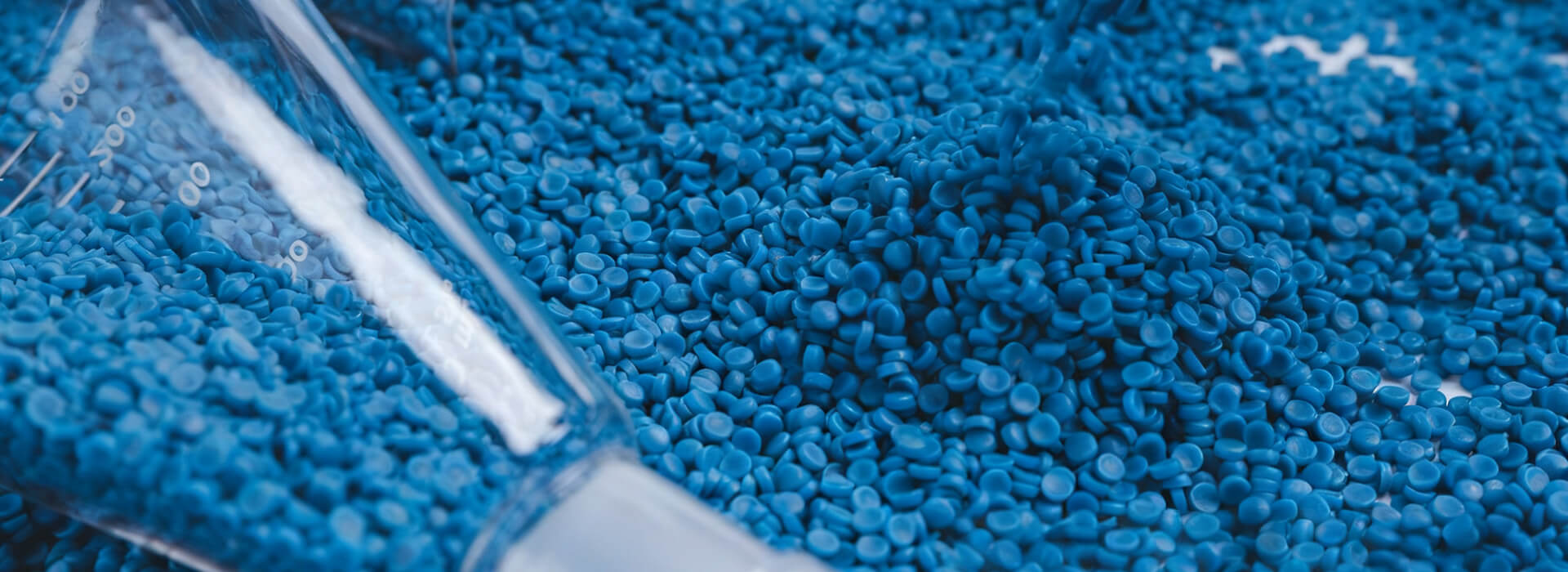
Polyvinyl chloride resin—or PVC resin—has carved out an undeniable spot in thousands of products people use every day. From water pipes to window frames, wire coatings to credit cards, hospital blood bags to garden hoses, PVC resin shows up in places that rarely make the news but shape modern comfort and safety. Suppliers of PVC resin, including distributors, manufacturers, and exporters, have watched demand transform and multiply over the decades, especially as industries shift standards toward safety, longevity, and cost-effectiveness.
Experience across the PVC resin supply chain shows relationships matter. Chemical companies that thrive know local dynamics, whether as a transnational PVC resin exporter or the go-to PVC raw material supplier for regional pipe makers. A solid connection between PVC resin manufacturers and their customers puts transparency about availability, technical guidance for grades like PVC resin SG5, K67, S65D, and market realities like the current PVC resin price in clear view. Factories delivering consistent PVC resin bulk price or tracking international PVC resin prices signal reliability in a market where competition runs fierce.
Walking a PVC resin factory floor highlights how producers keep a strong handle on grades and specialties. Suspension PVC resin dominates high-volume applications. Buyers often ask about popular types like Formosa PVC SG5, Reliance PVC resin K67, or LG Chem’s specialty paste PVC resin for precise, flexible uses—think signage, flooring, or medical products. End users look to resin suppliers for insight on K65, K66, K57, or K70 formulas. Whether it’s Chemplast 124 for Indian pipe production or CGPC H66 for cables, companies win trust by offering not just listings like “PVC resin for sale” but hands-on product knowledge backed by technical teams who solve processing headaches for clients.
PVC resin price swings through seasons, trade tensions, and energy shifts. Veterans in the resin trade know that when oil prices spike or international shipping faces disruption, questions fly quickly: What’s the PVC resin price per kg? Is the PVC resin price today moving up or down? How do global suppliers set a reliable PVC raw material cost, with so many moving parts? It challenges the myth that the lowest offer always wins the deal—smart buyers look for companies keeping PVC resin price lists updated, ready to share why a current PVC resin price or wholesale quote reflects world market moves, not just local bargains or short-term discounts.
Moving resin from factory to user takes skill. A PVC resin distributor balancing domestic supply against bulk export contracts knows that a missed shipment or poor-quality lot cuts deeper than any price discount. Lines like “PVC resin factory price” and “PVC resin bulk price” attract attention, but the best PVC resin distributors won’t risk credibility just to shave a few dollars at the expense of quality or delivery. Chemical companies in this market survive by honest timelines, open conversations about stock levels, and quick support if something goes sideways with a grade or batch. That’s how international PVC resin brands like Hanwha, Westlake, or Sinopec keep partners for decades, not years.
Product innovation depends on specialty PVC resin and expert advice. Specialty paste PVC resin—P450 grades, for example—powers high-flex, soft applications like toys or wall coverings. Watching a customer’s process turn unpredictable with a new batch proves why knowing the difference between PVC homopolymer resin, copolymer, or emulsion types matters more than just picking from a catalog. Tech-savvy buyers lean on suppliers with real-world process knowledge, not just a long product index. It shapes trust and repeat business beyond basic “buy PVC resin” transactions.
Environmental pressure rises every year. Customers ask about recycled PVC resin, green energy in chemical plants, and safety standards for flexible and soft PVC resin. The best resin suppliers adapt, not just with slick brochures but by real change—upgrading factories, streamlining waste management, or supporting industries seeking lower carbon footprints through specialty PVC compounds. Resin cost stories now include more than just raw price per ton or kg; they reflect a measured response to regulations, customer values, and long-term viability.
Unfiltered conversation with buyers proves just how quickly trust erodes if a supplier can’t answer questions about the current PVC resin price, SG5 market value in China, or the latest PVC paste price. Industry players keep PVC resin price lists and market bulletins handy. Updated pricing for Reliance, Formolon, LG Dagu, or Zhongtai PVC resin builds reputation, especially as users compare offers from two or three continents before signing a purchase. Accuracy and speed count more than polished marketing when it gets down to closing a container deal or planning a year’s worth of manufacturing schedules.
A quick scan of PVC resin market players paints a lively scene. Chemical powerhouses like Shin-Etsu, SCG, Kaneka, Westlake, Mexichem, Unipar, and Tianye anchor the high-volume action. Regional specialists like Engro or Finolex serve localized demands, while big traders coordinate international flows from China, India, Vietnam, Korea, or the Middle East. A PVC resin exporter who delivers on both quality and price—while fielding customer requests for samples or technical data on something like PVC resin LS100H or Formolon S65D—earns the reputation that drives new business in an online age. No buyer wants to chase transparency, reliability, or clarity on things as basic as shipping documentation or cost breakdowns.
This business isn’t only about price or brand. Real chemical firms back up their sales with technical support that stretches from simple FAQs (“What’s PVC resin SG8’s best use?”) to full-on lab troubleshooting. Customers lean on manufacturers for trial batches or resin compound blending to chase product launches. The difference between a quick order and a long partnership is often a matter of guidance—knowing how to switch grades, cut formulation costs, or optimize for longevity and weather resistance. Whether it’s a specialty copolymer or a mass-market S65D, responsiveness counts.
With government policies, freight gridlocks, and raw material scarcities always buzzing in the background, chemical companies live with unpredictability. What sets strong PVC resin suppliers apart is willingness to have open conversations about challenges—shortages, unexpected cost spikes, or shifting regulations. Some manufacturers set up regional warehouses, helping customers lock in wholesale price stability. Others invest in digital tracking, live pricing, transparent updates in case of delays, or direct lines to technical teams ready to walk a customer through processing tweaks. Sourcing teams find value in partners who keep them informed, not just during calm periods, but in the thick of turbulence.
The PVC resin world may look like a commodity game from the outside, but industry veterans know real value gets built on consistency, communication, and shared ambition for quality and sustainability. Whether looking for the best PVC resin bulk price, the right grade for a new product, or a partner who can actually deliver on schedule, buyers want more than a transaction—they seek evidence of reliability, technical mastery, and commitment to the future of materials that quietly keep the world running.