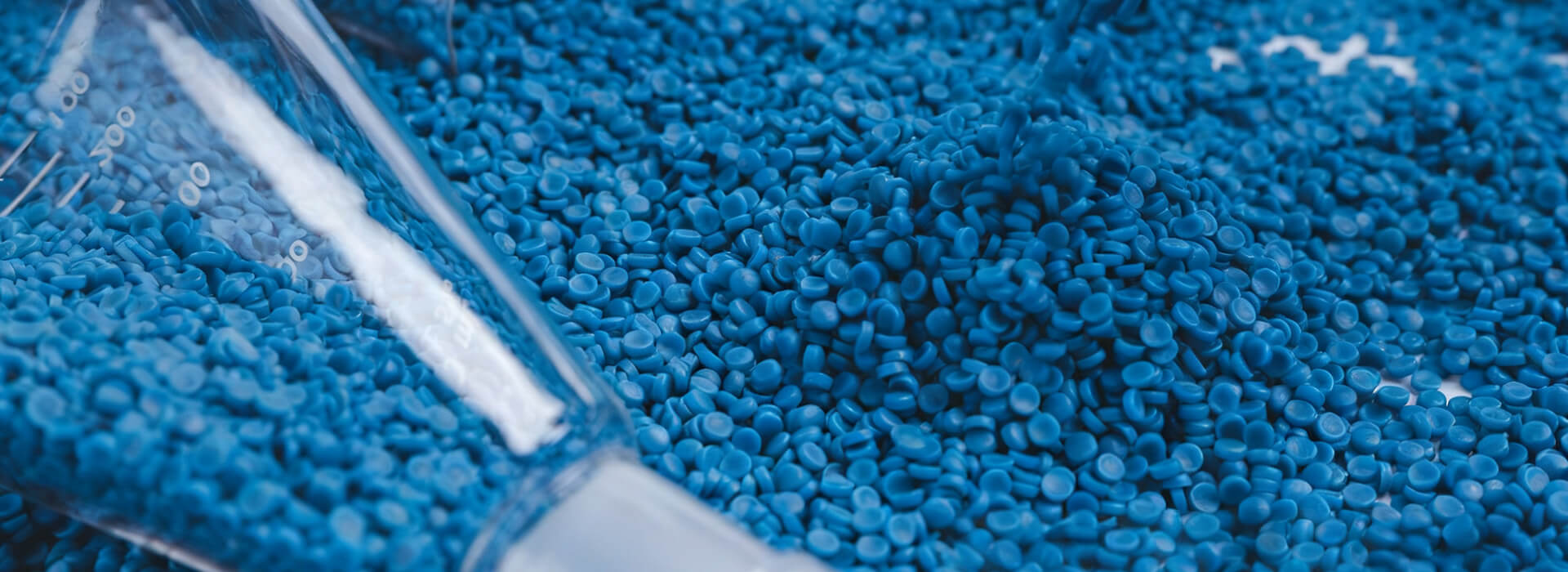
PVC paste resin didn’t just appear for manufacturers to start using. Its roots go back to 1872, when German chemist Eugen Baumann first stumbled upon polyvinyl chloride in his lab. Commercial scale use had to wait until the 1930s when B.F. Goodrich patented new production methods, especially for plasticizers that made the tough, brittle resin more practical. By the mid-1900s, factories churned out the paste resin as cable coatings, artificial leather, and flooring boomed across Europe, the US, and Asia. Growing up around old textile mills in the Midwest, I remember patches of durable, shiny “vinyl” that held up through anything a crew of workers or kids could throw at it. That kind of toughness came directly from advances in paste resin processing, as labs figured out how to fine-tune viscosity and blending for new uses.
PVC paste resin stands apart from other types of PVC. This fine, white powder comes from polymerizing vinyl chloride monomer through emulsion or micro-suspension processes, giving it the tiny particle size that lets it blend smoothly into pastes. Factories then mix the powder with plasticizers—often phthalates but also newer, safer options—plus stabilizers, coloring agents, and sometimes fillers to tailor the product for uses requiring flex, durability, and shape retention after molding or coating. The resin’s structure enables it to disperse into a thick, gooey paste that gets cast, spread, or foamed without needing to melt.
What stands out about PVC paste resin is the fine particle size, usually under 2 microns in diameter, giving a snow-like appearance. This powder flows easily, but it takes skill to avoid clumping and get even suspension with plasticizers. On the chemical front, the polymer consists of simple repeating -CH2CHCl- units, bringing chemical resistance and stability, especially against water, alkalis, and acids. The chlorine content—about 56% by weight—blocks combustion, which improves safety for applications like wiring insulation. That said, pure PVC degrades under high heat or UV, so thermal and UV stabilizers see frequent use.
Industrial buyers and regulators demand clarity about what goes in the barrel. Key specs for PVC paste resin include K-value (related to molecular weight), viscosity number, and plasticizer absorption. Typical K-value rests between 60 and 70—a middle range that balances processability and toughness. Viscosity, measured at specific concentrations, indicates how smoothly the paste will flow and coat. Labels break down composition by polymer content, allowed impurities, moisture, and residue levels after heat treatment. Labels also name producers, batch numbers, production dates, and any special additives, building traceability and compliance with regulations in markets like the EU or the US.
Labs start with pure vinyl chloride, dispersing it with surfactants in water to form tiny droplets. This “seed” mixture undergoes polymerization, often with free-radical initiators, at controlled temperatures and pressures. Emulsion polymerization results in the finest resin for pastes, while micro-suspension methods offer a bit more control over particle size. Factories carefully wash and dry the product to remove unreacted monomer, preventing health hazards and tainting of finished goods. My brief stint in a plant showed just how tight the controls need to be. Oversights spill over fast—a bad batch can gum up mixers or leave hazardous residues in the system.
Raw PVC paste resin doesn’t reach final use as-is. It undergoes blending and modification depending on the end product. Plasticizers, by breaking up interactions between polymer chains, grant flexibility for applications like gloves or vinyl flooring. Copolymerization or post-polymerization reactions add specialty features: acrylic monomers improve outdoor resistance for banners, while small quantities of chlorinated polyethylene help with flame retardancy or low-temperature processing. The push for greener chemistry changed the game, driving research into plasticizers free from phthalates and heavy metal stabilizers, moving to organic and calcium/zinc systems.
You’ll hear PVC paste resin called “emulsion PVC,” “E-PVC,” or “PVC plastisol resin” depending on the region and application. Big suppliers keep a long list of trade names—think Vestolit (Germany), Kaneka (Japan), Vinnolit (Europe)—each with slightly different recipes matched to specific industries. Regulatory documents sometimes list the CAS number 9002-86-2 for standard PVC, but emulsion grades find distinctions in detailed supplier catalogs. On factory order forms and safety sheets, the shorthand usually sticks to “PVC paste resin,” so younger engineers or buyers don’t get lost in the lingo.
Handling PVC paste resin brings real concerns from both a worker and environmental safety view. Vinyl chloride monomer, the feedstock, stands out as a known human carcinogen—OSHA and international standards set tough exposure limits for air and finished resin. Process operators need full respirators, chemical suits, and good ventilation during loading, mixing, or equipment cleaning. Dust explosions rarely make the news, but the fine powder and static risks require serious attention, relying on grounded equipment and anti-spark tools. Factories train workers not to treat the material casually, and batch logs document anything out of the ordinary. I’ve seen old-timers double-check every gasket and filter—once inhaled, those fine particles don’t let go easily.
Application areas show the real strength of this material. Soft toys, raincoats, medical gloves, and flooring tiles all stem from simple pelleting or spreading of PVC pastes. Manufacturers pour or spray layers onto fabric or metal, then heat or “gel” the mixture so it locks in place. Artificial leather, a common sight in car seats or wallets, gets its strength from pastes pressed into fabric grain then embossed. PVC paste resin also shapes traffic cones, electrical cable sheathing, automotive seals, and coatings for industrial conveyor belts. In hospitals, the chemical resistance and low cost make medical tubing, blood bags, and mattress covers possible—though safety tests for phthalate migration drive constant pressure for newer, cleaner formulations.
Across labs and research groups, the momentum now favors bio-based plasticizers, smarter processing aids, and nanofilled resins for higher strength and heat resistance. Research journals report about using new emulsifiers to cut down on residual surfactant—a big win for skin-friendly and food-safe products. Teams also experiment with surface-treating paste particles to help blends better stick to metals or textiles. Graduate students run aging and fatigue tests on PVC-based medical items, trying to balance plasticizer retention with softness and clarity years down the line. The goal: keep up performance while lowering environmental and human health risks.
Toxicity claims around PVC paste resin come with a tangled history. Vinyl chloride exposure during resin production faces tight control for its links to angiosarcoma of the liver. Finished PVC, once polymerized and properly stabilized, resists leaching and breakdown, though questions about migration of plasticizers (phthalates especially) and thermal stabilizers continue. Studies have shown how DEHP, the old go-to softener, accumulates in the human body, raising alarms for pregnant women and young children. Regulatory reviews led labs to test dozens of alternatives, like adipates and citrates, but no single fix fits all applications. Factory emissions get strict monitoring, and newer “green PVC” brands push for transparency in ingredients through full SDS disclosure and tighter traceability.
PVC paste resin faces real environmental and policy pressure as bans on single-use plastics grow around the world. The polymer itself keeps value because it recycles cleanly and lends itself to closed-loop systems, unlike more stubborn plastics. Industry players pour resources into non-phthalate plasticizers and bio-attributed PVC, hoping to break the “toxic plastic” image and keep their materials on shelves. Digitalization now helps with real-time process monitoring, cutting scrap and energy use in factories, and smart sensors log emissions while keeping plants compliant. With more engineers trained in sustainable polymers and open science, the most promising route lies in greener chemistry matched with full life-cycle assessment, so tomorrow’s applications won’t anchor today’s young families to legacy hazards.
PVC paste resin sounds technical and easy to overlook, but almost every home has a little of it—whether in the wallpaper pattern on the living room wall, the soft handle of a kitchen tool, or the flexible tubing under your sink. It’s a fine white powder made through a special process that lets it blend with liquid plasticizers to form a paste called “plastisol.” This isn’t your old-school solid plastic; plastisol has a thick, spreadable texture that gives it a lot of freedom for shaping, coating, or even dipping.
As a longtime DIY-er, I’ve peeled vinyl wallpaper and replaced old flooring in various rentals. That sticky, flexible-backed sheet I pulled up was probably made using PVC paste resin. Most soft vinyl floorings rely on it for their durability and water resistance. Graphic designers making banners and billboards count on the crisp, weather-hardy finishes this paste delivers. In a mechanic’s shop, you’ll find wire insulation, tool grips, and hoses—all made more flexible and tough because this resin exists.
Soft and squishy toys wouldn’t survive a week in a toddler’s hands if not for the rugged-yet-gentle qualities of PVC paste resin. On the medical front, think of blood bags, tubing, or the supple grips on devices—these products depend on the chemical tolerance and flexibility this resin brings to the table. Even car interiors use it for armrests or dashboards, keeping the surface comfortable in both summer heat and winter cold.
Some years back, I started reading the ingredient lists on everything from food to furniture because safety isn’t just about avoiding cuts—chemical exposure matters, too. PVC paste resin sometimes stirs up debate due to phthalates in plasticizers, especially for kids’ products and medical devices. Reputable manufacturers now offer phthalate-free versions to address these concerns, and tight global rules keep watch on production and recycling.
A study published in the Journal of Hazardous Materials highlights innovations making modern resins safer, including alternative plasticizers and improved production controls. Checking for certifications like REACH or RoHS has become standard practice for buyers who want peace of mind.
I’ve noticed recycling bins rarely mention “soft PVC.” This material doesn’t always fit into curbside recycling, mostly because it contains additives that regular recyclers don’t handle well. Some industries have stepped up take-back schemes, which let consumers return used products for special processing. A few forward-thinking companies design products with recyclable compositions from the start, helping to close the loop.
Biodegradable alternatives have gained some ground, though they don’t match the resilience or affordable cost of PVC paste resin just yet. Companies pushing for a circular economy push for changes in both materials and design, but it takes consistent consumer demand to make these changes stick.
PVC paste resin supports basic needs and creative solutions. It lets everyday things stay tough, flexible, and affordable. Its value shows up in strange places—hospital rooms, playgrounds, kitchens, and billboards. Improvements in safety and recycling keep it in the running as industries push for better ways to use and reuse these materials. Even with competition from other plastics, PVC paste resin keeps earning its place in the mix by adapting and evolving.
PVC paste resin shapes the look and feel of modern flooring, wallpaper, car interiors, and sometimes even the gloves at the doctor’s office. This material stands out because it works a bit differently from regular PVC powder. It starts as a fine, white powder that blends well with plasticizers to make a thick, creamy paste known as plastisol. This lets manufacturers mold or spread it into endless shapes and textures.
PVC paste resin unlocks a level of flexibility that a lot of hard plastics just can’t offer. Factories mix it with different plasticizers to achieve softness in everything from faux leather bags to blood bags for hospitals. This flexibility comes without giving up strength. From watching factory runs and everyday wear-and-tear, I’ve seen that soft PVC items still keep their shape after a lot of use.
People often overlook the behind-the-scenes toughness of PVC paste resin. It stands up well to oils, mild acids, and bases. Kids’ rain boots survive puddles and garden hoses. Hospital supplies last through sterilization routines. Chemical spills or rough cleaners won’t break it down quickly. This keeps products looking new for longer than those made from many other soft plastics.
The paste form allows manufacturers to capture tiny details. When I visit a plant that prints floor patterns, the teams count on how perfectly the plastisol spreads to create crisp designs. The resin easily takes on textures, whether it’s imitating natural leather grain or making safety mats with non-slip surfaces. That sharp pattern comes from how well the paste flows and settles before the heat-curing step.
Pure, unmodified PVC paste resin shows up as white. By adding the right coloring agents, factories produce bright, clear, or deeply opaque finishes. Between fashion phone covers and nightclub chair backs, the color choices feel endless. This doesn’t take special equipment or tricky steps—just smart mixing during production. Customers get the look and style they want, with the toughness to match.
Processing temperatures matter. The resin softens and flows below 200 degrees Celsius; going much higher risks damaging the finish, making it brittle or sticky. There’s a reason toy makers, medical teams, and food packagers all keep temperature controls tight during curing. Thermal stability additives keep blooming and color fading at bay, so goods last longer out in the world.
Soft PVC gets flak for relying on plasticizers, especially older types that might leach out. Health and safety rules are tougher now, especially in Europe and America. Factories have moved to safer, non-phthalate plasticizers. Still, keeping quality up while phasing out risky materials takes constant testing. Research labs focus on new bio-based alternatives to cut environmental impact and health risks.
PVC paste resin packs a punch by combining softness, chemical resistance, and design flexibility. Its popularity doesn’t mean it’s perfect—environmental and public health concerns push the industry to tweak formulas and invest in safer additives. Every time a designer asks for a specific touch or a hospital updates its safety supplies, there’s a reminder of how much this resin shapes everyday life, for better and safer results.
Most people know PVC pipes and products as tough, white plastic, showing up in plumbing or window frames. That’s only one side of the story. Regular PVC resin—what most folks run into—comes as a powder that gets melted and turned solid by heat. Think of things like pipes, gutters, credit cards, and even some clothing trims. The magic happens at high temperatures. Regular PVC is tough, cheap, and useful, which explains its popularity just about everywhere.
Step into a plastics factory, and you’ll notice PVC paste resin living a very different life. It isn’t all about heating this time. Paste resin, often called emulsion resin, acts more like fine flour or even talcum powder. Add a mix of plasticizers, and it turns into a doughy paste instead of a neat pellet or powder. This goo slides itself into tight spaces and coats things, making all sorts of soft, flexible, or textured products that regular PVC just can’t pull off.
In factories I’ve toured, paste resin comes into its own with items like synthetic leathers, wallpapers, and traffic cones. Things needing softness, grip, special shapes, or unusual textures get made using this paste. The tools and machines for paste resin look different too, focusing on spreading and shaping rather than simple melting.
On the other hand, regular PVC resin takes the high-heat route. Extrusion and injection molding crank out everything from siding to bottles and wires. If you want stiffness, durability, and mass production, the regular stuff wins every time. But try asking it for suede-like upholstery or a rain boot with a squishy sole — it just can’t help.
These differences matter outside the factory walls. Some families might want flooring that feels warm and soft, like a child’s play mat. Paste resin formulas bring that flexibility. In hospitals, products like medical gloves, blood bags, and IV tubes use the paste type, mainly because it molds easily and creates airtight seals. It makes medical care safer and smoother, something you notice only during a hospital stay.
Choosing the wrong resin can lead to wasted materials or poor safety. Take, for example, electric cables with a tough, hard casing—the wrong texture from paste resin could risk electrical faults or quick wear. Manufacturers switching between resin types also face challenges: paste resin requires careful controls on mixing and air—too much moisture and the final product cracks or peels.
There’s an environmental angle worth talking about too. Both resin types come from oil, and both involve some heavy industrial processes. Paste resins often use more plasticizers and additives, so there’s extra attention needed on chemical handling and possible emissions. Strict controls and safer, phthalate-free plasticizers are making a difference, but the industry still has a long way to go cleaning up its act.
I’ve seen small companies stuck with the wrong PVC resin just because they followed the cheapest supplier or went by old habits. It pays to work closely with chemists or industry experts before investing in machines or molds. Testing batches and reading the resin’s specs gives everyone—from furniture makers to car part suppliers—a fair shot at safer, smoother, and longer-lasting goods.
Switching to more eco-friendly additives, improving indoor air systems, and training operators to recognize subtle problems are steps that lead to better results for everyone—workers, end users, and the environment. Each PVC resin carries its own risks and benefits, and understanding the hands-on differences opens the door to smarter, safer choices up and down the supply chain.
PVC paste resin sounds technical, but the stuff pops up almost everywhere. Over the years, manufacturers figured out how to turn this powdery polymer into soft, durable, and versatile products. Think about walking across smooth, flexible flooring in a hospital corridor, reaching for a grippy handle, or seeing kids playing with safe, stylish inflatable toys—the connection running through all these scenes is PVC paste resin.
I’ve visited more than a few clinics and nurseries. The soft, easy-to-clean floors and walls always struck me as well thought out. PVC paste resin makes it possible to create seamless vinyl surfaces, which are gentle underfoot and resist stains. These characteristics matter in places where hygiene matters and traffic runs high—medical centers, schools, public spaces—places that rarely close their doors. Research from the European Council of Vinyl Manufacturers highlights vinyl’s toughness and easy maintenance, reducing long-term costs.
PVC paste resin breathes new life into leather alternatives. Bags, jackets, belts, car seats—all benefit from its balance of flexibility and strength. Artificial leather made from this resin keeps its shape and resists fading. It makes fashion practical, vegan-friendly, and affordable. As living costs keep rising, these materials step up by keeping prices in a reasonable range while offering impressive durability. A study from the Journal of Cleaner Production points out that synthetic leathers now make up over 50% of global “leather” production, thanks largely to PVC-based solutions.
People rarely give a second thought to disposable gloves, blood bags, or IV tubing. For many patients, their comfort and safety depend on these items. PVC paste resin forms the backbone of flexible medical products—its chemical stability means it safely handles fluids and medication without leaching harmful substances. The simple flexibility also lets doctors and nurses work with less risk of irritation or allergic reactions, something I noticed during time spent volunteering in hospitals.
Balloons, beach balls, and inflatable pools rule summer fun—and safety, too. Manufacturers trust PVC paste resin for these inflatable products because it molds well, holds air, and resists wear. Without this material, affordable pool toys or safe children’s balls would disappear or come at a much steeper cost. Data from PlasticsEurope show that over 60% of all inflatable product materials rely on PVC paste resin for their air-tightness and safety.
Inside most cars, the smooth dashboards, door panels, and seat trims hide a practical origin. PVC paste resin shapes, colors, and protects these surfaces. Its ability to take on different textures and shades makes car interiors brighter and more forgiving to spills or scratches. In construction, this resin appears in window seals, wall coverings, and flexible grouts—the sort of things most people use daily without a second thought. Even with tough climate conditions, these pieces keep their grip and flexibility season after season.
Waste remains a real concern with any plastic-based material. Some critics bring up microplastic pollution, and the heavy demand for safer, greener chemistry. Companies have started looking at alternative additives and more efficient recycling systems to keep PVC paste resin in the game. Disclosure and traceability matter, so everyone along the supply chain can vouch for safety and environmental responsibility. Getting PVC paste resin products recycled properly and supporting greener manufacturing could tip the scales for a more balanced future.
People often overlook the risks in everyday industrial materials. Polyvinyl chloride (PVC) paste resin can look harmless, especially compared to loud, obviously dangerous equipment. But most folks working around this sticky, powdery stuff know the risk goes much further than surface messes. There’s the threat of inhaling fine dust, letting particles collect on skin, and not thinking about the fumes kicked out by some plasticizers or additives. Many in the trades, myself included, have watched coworkers get a bit careless during mixing, then end up coughing or dealing with itchy skin for a week. Chronic exposure can invite bigger headaches, like asthma symptoms, eye trouble, or even chemical allergies.
A simple fix for a lot of these problems comes down to wearing the right protection — and actually remembering to put it on. Chemical gloves and dust-proof goggles might not win any style points, but they keep resin from sticking to skin and out of eyes. In my own work, I’ve seen how workers who shrug off protective gear end up with rashes or red eyes, sometimes leading to doctor visits. A quality half-face respirator stops the fine powder from collecting in your lungs, something a flimsy surgical mask or t-shirt across the mouth can’t do.
Rules posted on the wall don’t mean much if people ignore them every time they’re in a rush. It’s the small routines that make a difference: washing exposed skin after handling resin, never eating or drinking in the same area, and keeping work surfaces clean. From experience, soap and water work well—scrubbing up before heading home keeps chemical residue from tagging along and bothering kids or pets.
Anyone who’s spent long hours in a paint or resin shop recognizes that stale, heavy air carries more than just smells. Decent ventilation gets fresh air moving, pushing out fumes and dust before they become a real hazard. Open doors and windows help, but installing exhaust fans or local fume extractors does far more. Even a garage setup benefits from an open window and a box fan; shops with constant mixing need a stronger hook-up, like hoods and ductwork. Bad air quality isn’t just an inconvenience—it turns simple jobs into health risks over time.
Teaching someone what’s in these resins through safety data sheets hits home better than just telling them to “be careful.” I’ve noticed teams who review container labels, learn about the dangers of vinyl chloride monomer (a likely contaminant), and actually talk about risks start handling materials with more respect. That knowledge spreads, with new hires picking up better habits from the folks around them.
Every spill or cloud of PVC resin makes the workshop feel tense. Quick cleanup with a vacuum fitted with a HEPA filter, rather than sweeping, keeps particles from spreading. Storing resin in closed, labeled containers stops contamination and moisture problems. Regular checks on air quality and gear help catch issues before they turn into emergencies.
Working with PVC paste resin offers a reminder: shortcuts in safety don’t just risk a slap on the wrist—they can affect your health for years down the line. Protecting your skin, eyes, and lungs with proper gear, cleaning habits, and smart ventilation will do more for your peace of mind than any warning sign on the wall.

| Names | |
| Preferred IUPAC name | Poly(chloroethene) |
| Other names |
Paste PVC
Emulsion PVC PVC Emulsion Resin PVC Paste Grade |
| Pronunciation | /ˌpiː.viː.siː ˈpeɪst ˈrɛzɪn/ |
| Identifiers | |
| CAS Number | 9002-86-2 |
| Beilstein Reference | 39237 |
| ChEBI | CHEBI:53251 |
| ChEMBL | CHEMBL2106617 |
| ChemSpider | 21580 |
| DrugBank | DB14007 |
| ECHA InfoCard | 03b2b4af-1bc6-4337-b5e2-e2fd033924a6 |
| EC Number | EC 208-750-2 |
| Gmelin Reference | Gmelin Reference: 100227 |
| KEGG | C18685 |
| MeSH | Polyvinyl Chloride |
| PubChem CID | 7152 |
| RTECS number | TGJ35750DJ |
| UNII | F1T9SY1LL5 |
| UN number | UN3077 |
| CompTox Dashboard (EPA) | DTXSID4024606 |
| Properties | |
| Chemical formula | (C2H3Cl)n |
| Molar mass | 62.50 g/mol |
| Appearance | White powder |
| Odor | Odorless |
| Density | 0.58 g/cm³ |
| Solubility in water | Insoluble in water |
| log P | 0.97 |
| Vapor pressure | Negligible |
| Basicity (pKb) | 13.7 |
| Magnetic susceptibility (χ) | Diamagnetic (-0.9 × 10⁻⁶ emu/mol) |
| Refractive index (nD) | 1.54 – 1.55 |
| Viscosity | 400-600 mPa·s |
| Dipole moment | 1.66 D |
| Thermochemistry | |
| Std molar entropy (S⦵298) | PVC Paste Resin: 72 J/(mol·K) |
| Std enthalpy of formation (ΔfH⦵298) | -216 kJ/mol |
| Std enthalpy of combustion (ΔcH⦵298) | -21.2 MJ/kg |
| Hazards | |
| Main hazards | May form explosive dust-air mixtures; dust may cause respiratory irritation |
| GHS labelling | GHS07, GHS09 |
| Pictograms | GHS07,GHS08 |
| Signal word | Warning |
| Hazard statements | H351: Suspected of causing cancer. |
| Precautionary statements | P210, P261, P280, P304+P340, P312, P403+P233, P501 |
| Flash point | > 180°C |
| Autoignition temperature | 385°C |
| LD50 (median dose) | > 5000 mg/kg (rat, oral) |
| NIOSH | POLYVINYL CHLORIDE, RESIN, DUST (NIOSH: KV9300000) |
| PEL (Permissible) | 1.0 mg/m³ |
| REL (Recommended) | 0.1 mg/m³ |
| Related compounds | |
| Related compounds |
Polyvinyl chloride (PVC)
Emulsion PVC Suspension PVC Chlorinated PVC (CPVC) Plasticized PVC Rigid PVC Polyvinyl acetate (PVAc) Polyvinylidene chloride (PVDC) Acrylic resins Ethylene-vinyl acetate (EVA) |